
Pic2Split

A social bill-splitting web app designed to make group checks fair and transparent, cutting the split from four minutes to under two.

Web App AI B2C

Team (4)

Product Designer (me)
Product Manager
Software Engineers

Timeline

Nov 2025 — Jan 2026

Tools

Figma Tailwind CSS React PaddleOCR Google Gemini Google SSO

Speed

0×

faster

Efficiency

0%

less time

Saved

~0 min

per split

Scan result

0%

more accurate

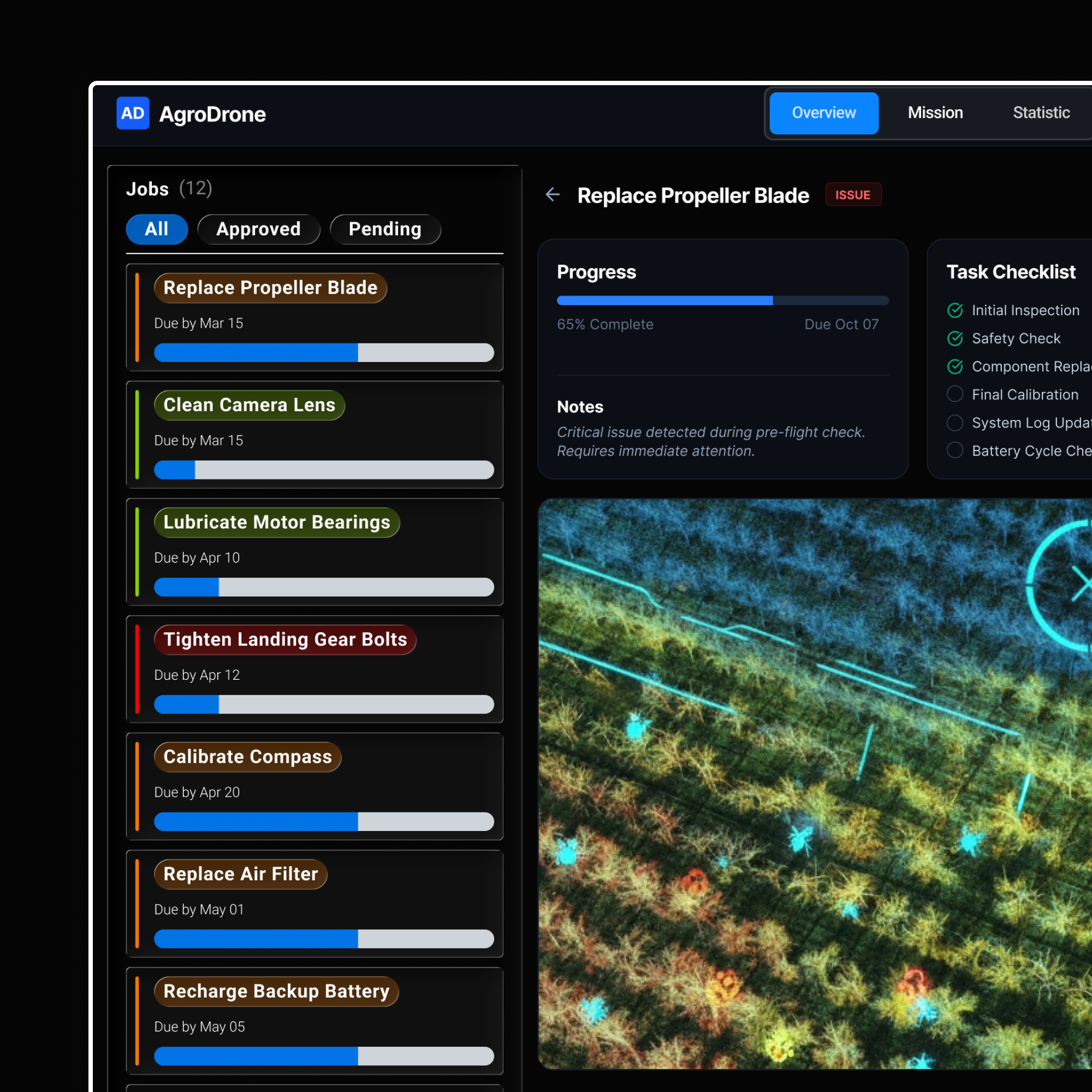
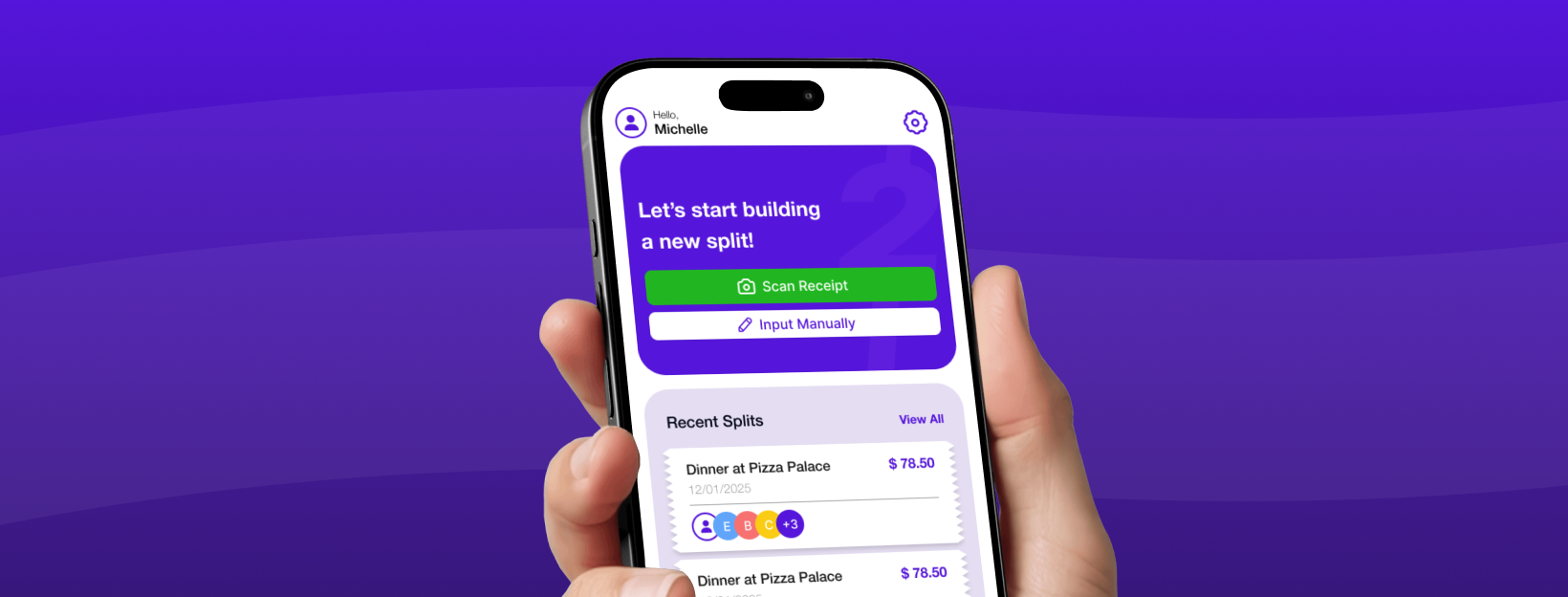
Pic2Split main hero image

01 · Problem

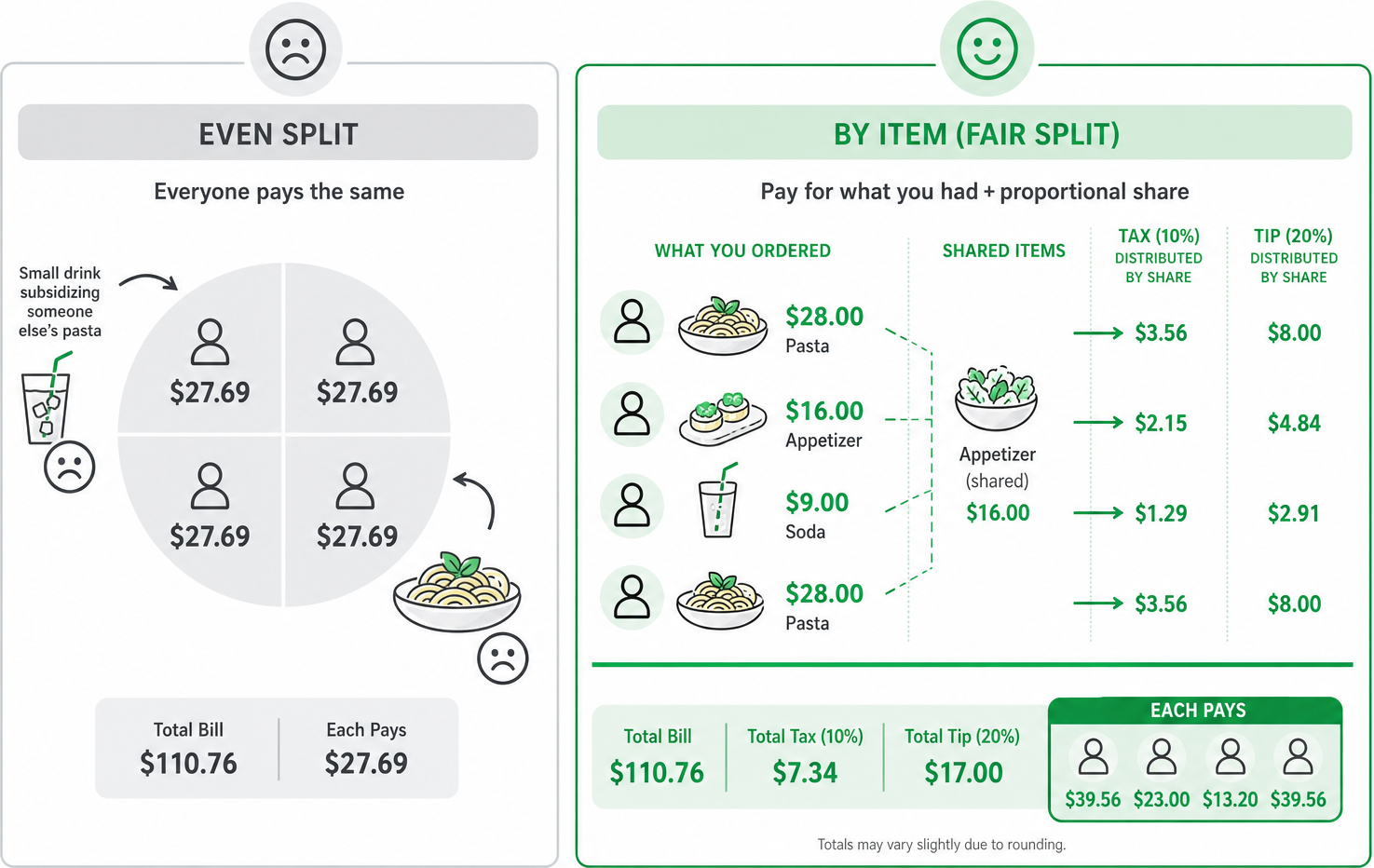
Tax and tip turn a fun dinner into a math fight

When the check arrives, nobody agrees on how to divide tax and tip fairly — and the mental math kills the mood at the table.

Infographic comparing even four-way split versus item-based split with proportional tax and tip, where the even split is unfair to light eaters

02 · Goals

Make every split fair, fast, and transparent

Pic2Split set out to remove the guesswork so the group settles the check and moves on.

Goal 01

Fair

Proportional tax and tip on what each person actually ordered — no more subsidizing someone else's big meal.

Goal 02

Fast

Scan, assign, and share in under two minutes so the group stops calculating and starts leaving.

Goal 03

Transparent

Show the receipt beside every line item so everyone can see how their total was calculated before they pay.

03 · Solutions

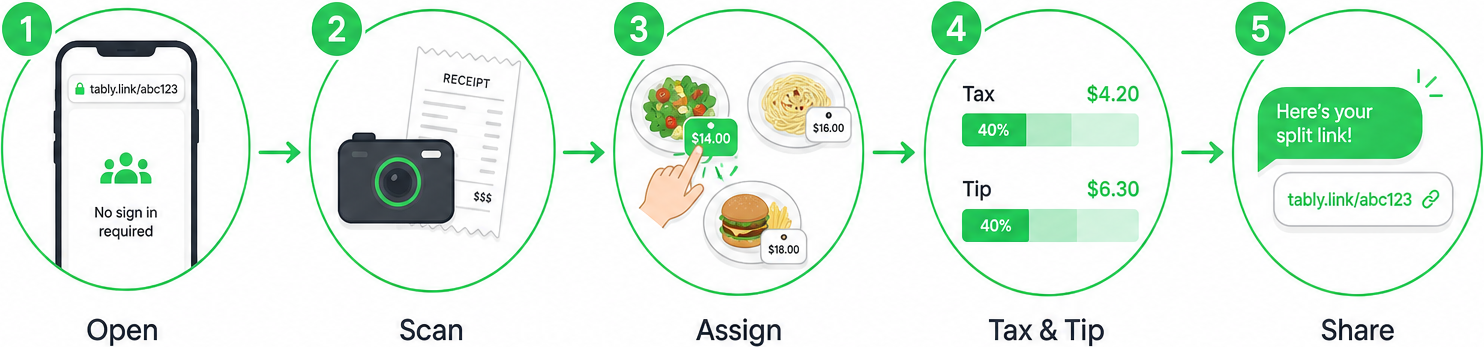
Five steps to split the bill in 2 minutes

Five-step Pic2Split flow: open link, scan receipt, assign items, split tax and tip proportionally, share link with the group
Solution 01

Sign in with Google to get started fast

Pic2Split offers Google Sign-In, so the group can jump in with a single tap. Signing in also saves each person's billing data, so their details are ready the next time you split a bill.

Pic2Split home screen ready to scan a receipt after signing in
Solution 02

Scan the receipt with Gemini-backed OCR for accurate reads

Snap the receipt. PaddleOCR captures the image; Google Gemini parses items, tax, and tip to boost accuracy beyond raw OCR alone, so the group starts from clean line items instead of re-typing the bill.

Solution 03

Tap dishes to names, and shared plates split themselves

Tap a line item, pick who shared it, and each person's total updates live, all in a side-by-side window with the receipt photo beside the assignment list, so everyone can overview charges and confirm spend as they split. No calculator math at the table.

Solution 04

Close the Trust Gap: check the AI against the receipt

To solve the "Trust Gap" our research surfaced, the final design lets users compare the OCR-extracted item list directly with the original receipt image. The side-by-side window makes edge cases — misread names, merged line items, a wrong price — visible at a glance, so the group verifies the AI's reading for themselves before anyone pays.

Solution 05

Tax and tip follow the food, not an even four-way split

Tax and tip distribute proportionally to each person's food, not an even four-way split, so everyone sees how their total was built.

Solution 06

Drop the link in the chat, and everyone pays and leaves

One link shows each friend their final number. They open it in the browser, pay their share, and the table moves on, with no app install.

04 · Research and Design

How we got to under two minutes —
and how to keep AI trust and transparency

We timed real group splits with uneven orders and tax on one receipt, then iterated until the flow beat the two-minute window at the table — while our research kept one requirement front and center: people must be able to check the AI's reading for themselves.

Design process at a glance: 1 benchmark the competitor for a 4-minute baseline, 2 redesign the core flow for an under-2-minute target, 3 wireframe and system as prototype Version 1, 4 iterate the prototype into one page and ship

Phase 01 · Research & Testing

Benchmarking & Baseline

Before designing Pic2Split, we mapped the market: Splitwise anchors the account-based ledger end for ongoing shared expenses, while Scan & Split Bill — OCR Check (v2.1.3 Pro, 100k+ downloads on Google Play) is the closest scan-first neighbor — so we picked it to learn from and beat. We ran a heuristic evaluation plus a moderated usability test (6 participants; a realistic group-dinner scenario with uneven orders and tax on one receipt). Timed splits showed where it stalled and set our under-2-minute design target.

Feature comparison of Pic2Split, Scan and Split Bill, and Splitwise
Feature Pic2Split S&S Scan & Split Bill S Splitwise
Receipt scanning (OCR) Yes Yes Paid
AI-parsed line items (Gemini) Yes No No
Receipt beside results for review Yes Limited No
One-tap Google sign-in Yes No No
No download — runs in the browser Yes No Yes
Proportional tax & tip Yes, automatic Manual Manual
Tap-to-assign shared dishes Yes Limited No

The Trust Gap — what people told us about AI

2.6/5

AI trust score in the 6-participant benchmark test

2.2/5

OCR satisfaction — misreads were hard to spot and fix

Survey

people accept an AI-read bill only when they can verify it themselves

We also surveyed people on AI trust and transparency. The pattern was consistent: users don't distrust AI reading receipts — they distrust not being able to check it. That "Trust Gap" became a hard design requirement, carried through to the side-by-side review window.

Heuristic evaluation of Scan and Split Bill v2.1.3 Pro across Nielsen usability principles, with low scores on visibility of system status, user control, consistency, error prevention, and efficiency

Phase 02 · Interaction Design

Core Flow Iteration

Pic2Split targets under 2 minutes, 2× faster than the 4-min baseline. A one-tap Google sign-in, Gemini-assisted OCR with a receipt-and-result review window, shared-dish tags, and proportional tax-and-tip math replaced the competitor's scan → confusion → guesswork loop.

Phase 03 · Wireframing

Wireframing & Systems

Every screen earns its place in the split flow.

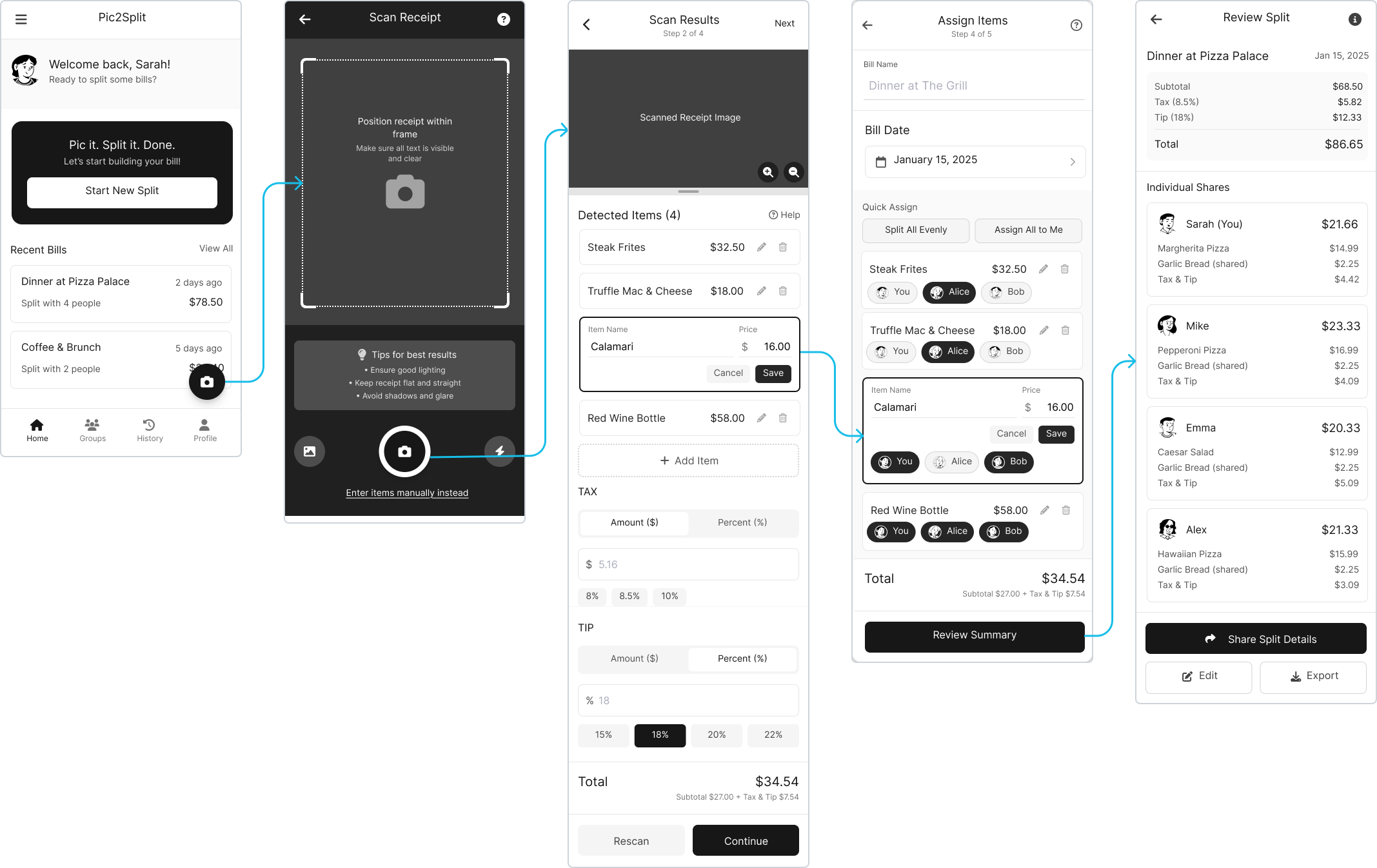
Wireframes mapped every beat of the dinner scenario: wrong OCR, shared appetizers, proportional tax and tip, and the share screen friends see before they pay. Built on Tailwind CSS so every money step used the same clear, reusable components.

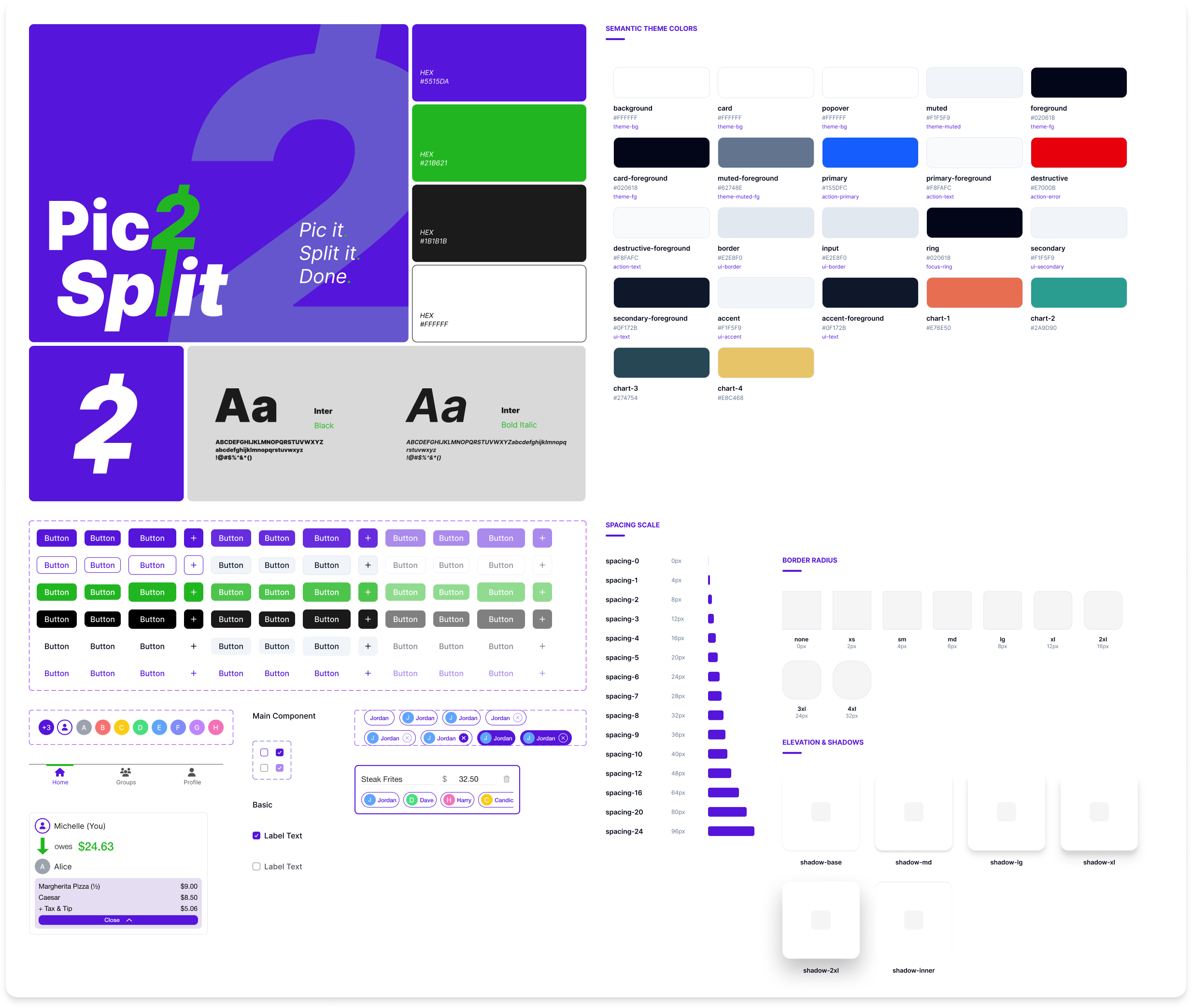
Pic2Split visual style guide: logo, color palette, and Inter typography
Style guide: logo, palette, typography.
Pic2Split low-fidelity wireframes for the full split flow
Wireframes before polish.

Plot twist

These wireframes shipped as Version 1 — then we replaced them.

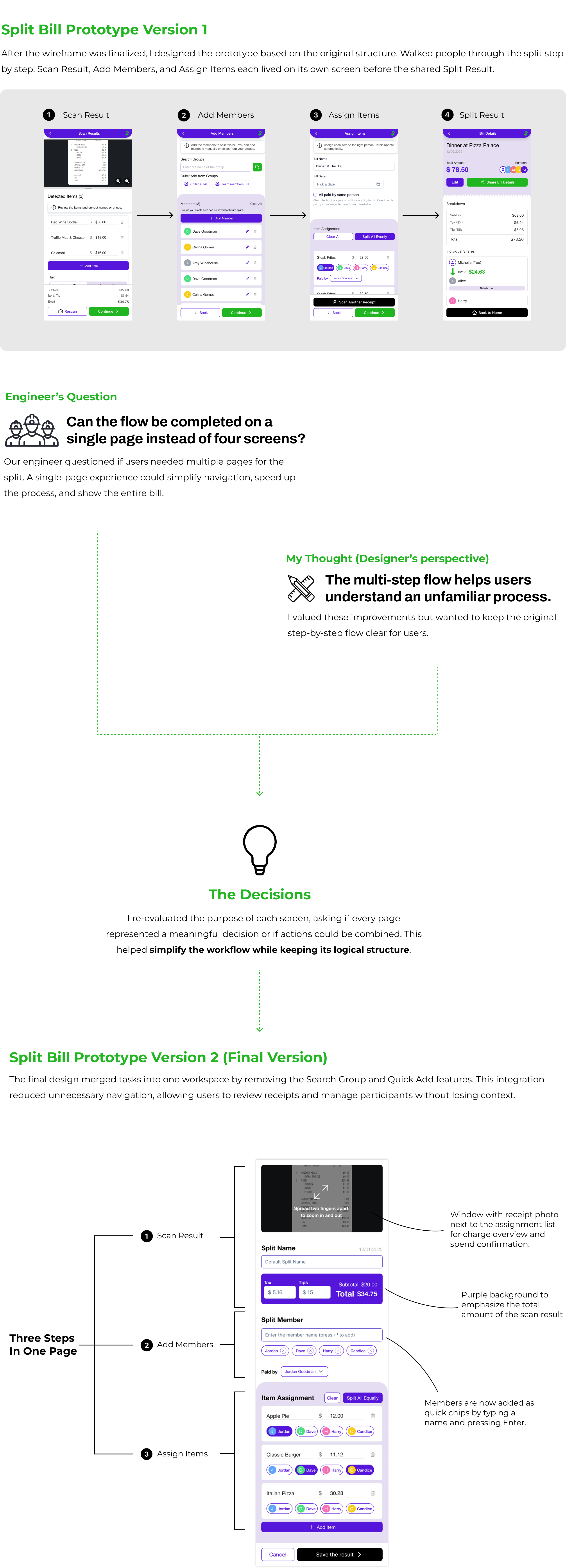
Version 1 walked the table through the split screen by screen, exactly as wireframed. A second round of testing showed the walk itself was the problem: hopping between screens added taps and made people lose track of the bill. So Version 2 rebuilt the whole split as one page.

Here's why

Phase 04 · Prototype Iteration

From Three Screens to One Page

Pic2Split prototype comparison: Version 1 uses four separate screens — Scan Result, Add Members, Assign Items, and Split Result; Version 2 collapses scan result, add members, and assign items into three steps on one scrollable page

What changed from Version 1 to Version 2?
We timed with the same 6-participant dinner scenario as the benchmark — Version 2 comes in under the 2-minute target, against the competitor's 4-minute average. Shows that the one-page build is faster and under the 2 minute target.

05 · Reflection & Outcome

Fair splits need AI you can see, not just AI that's accurate

Accuracy matters, but trust comes from transparency: the receipt sits beside every AI-parsed line, so the group checks the math and fixes mistakes before anyone pays.

Version 2 shipped faster without losing the guided flow — every goal achieved. The lesson: don't defend the first solution; balance user needs, technical feasibility, and product goals.

Fair

Proportional tax & tip per person

Fast

1:45 avg split — under the 2-min target

Transparent

Receipt beside every parsed line

06 · Future Scope

From MVP to a full pay-and-order loop

Built under a tight hackathon window, Pic2Split today covers scan, assign, and share. Next, we want to open the bill to the whole group, close the loop with direct payments, and meet diners where they already order.

Future 01

Collaborative groups

Add a grouping layer so everyone at the table can edit the same bill — assign items, fix OCR mistakes, and adjust tax and tip together instead of one person owning the split.

Future 02

Direct payment handoff

Connect with products like Zelle so each person can transfer their share straight from the split summary — no copying totals into a separate app or chasing Venmo requests after dinner.

Future 03

Restaurant partnerships

Partner with restaurants and plug into the meal-ordering systems they already run, so ordering, receipt capture, and fair splits live in one flow from menu to payment.

Let's build something
that ships.