Echoes of the Four Seasons

Bridging Cultures Through Interactive Typography

UI/UX Design Typography Interactive Web

Team (1)

1 UI/UX Designer, Visual Designer & Typographer (me)

Tools

HTML/CSS JavaScript Canvas API Illustrator

A cross-cultural typographic playground — The Four Seasons in Chinese Poetry builds Chinese characters from English letters, making poetry more approachable for non-native readers.

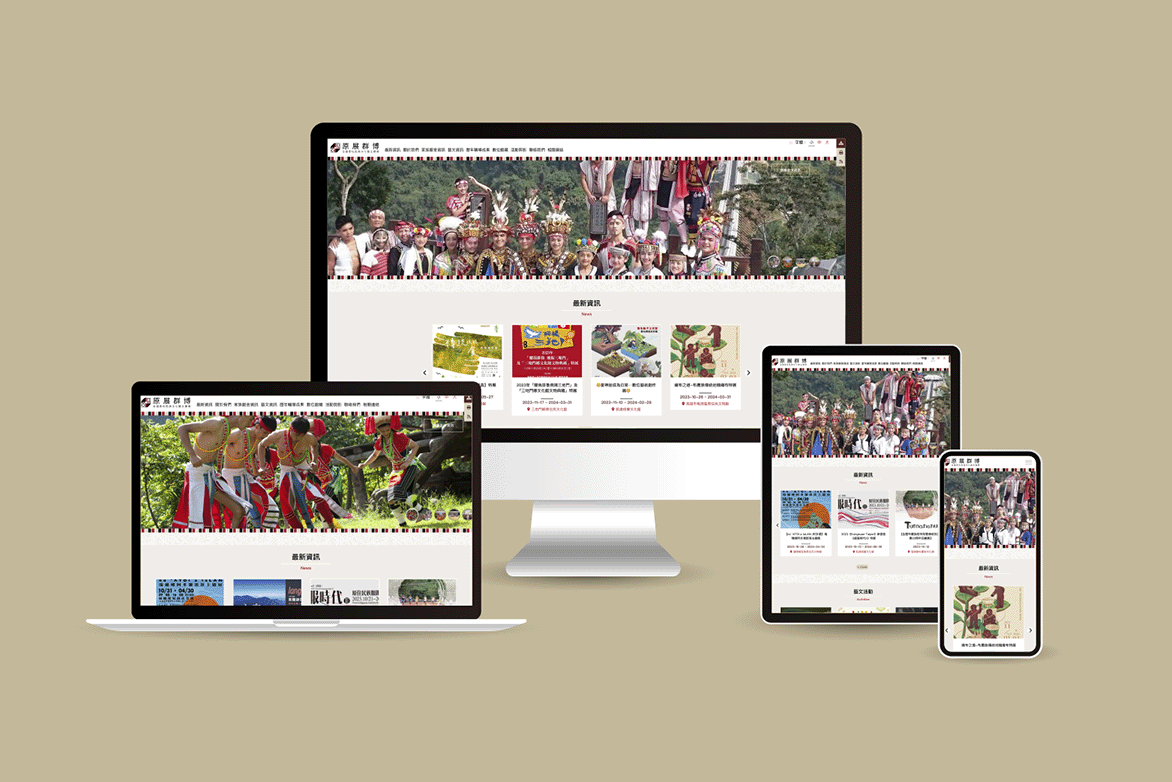
Temporary placeholder hero image for Echoes of the Four Seasons showing desktop, tablet, and mobile screens with the Spring character composed of English letter strokes on a soft beige background.
My Role

UI/UX Designer, Visual Designer, and Typographer shaping the interaction, visual language, and cross-script system.

Core Deliverables

Responsive web app, cross-cultural typographic system, and interactive prototype for tracing and poem discovery.

Target Audience

Non-Chinese speakers, cultural enthusiasts, and design students curious about language, calligraphy, and poetry.

Temporary image references currently used for missing exported assets

Hero / cover placeholder path: assets/img/lcm/website mockup_lcm.png

Hero placeholder alt: Temporary placeholder hero image for Echoes of the Four Seasons showing desktop, tablet, and mobile screens with the Spring character composed of English letter strokes on a soft beige background.

Ideation placeholder path: assets/img/lt/lt1.jpg

Ideation placeholder alt: Temporary placeholder for structural ideation image. Intended visual: iterations of English letterforms mapped to Chinese brush-like strokes for the character 春.

Lowering the Barrier to Logographic Reading

Chinese characters represent meaning through structure rather than alphabetic spelling. For non-Chinese speakers, that can make the system feel visually rich but emotionally distant. The challenge was to create a first-touch experience that feels familiar without reducing the depth of the original writing.

ABC Phonetic Languages

Letters map to sounds, so entry points often begin with pronunciation and spelling.

The Missing Link:
Visual Familiarity
Logographic Languages

Characters carry shape, history, and meaning in forms that can feel opaque to first-time learners.

Problem Statement

How might we lower the barrier of entry for non-native speakers to appreciate the visual, historical, and emotional depth of Chinese calligraphy and poetry?

Design Opportunity

Use familiar English letterforms as scaffolding, so people can read the visual rhythm of the character before they fully understand the language.

Solution & Design Process

From Semiotics to Interaction

The concept merges semiotics, interface design, and cultural storytelling into one guided experience. Rather than presenting poetry as a static reading task, the platform makes understanding emerge through action.

1. Ideation

An early AR translation direction felt too passive. The concept shifted toward tracing because participation creates memory, ownership, and empathy.

2. Typographic Fusion

Chinese seasonal characters were rebuilt stroke-by-stroke using English letters that hint at meaning, sound, or atmosphere.

3. Write to Reveal

Users trace first, then read. The interface uses progressive disclosure so translation and interpretation feel earned rather than dumped on screen.

Typographic Fusion

Building a Shared Visual Vocabulary

The most challenging part was maintaining the gesture of brush strokes while keeping the English letters legible enough to serve as a learning bridge.

  • Deconstruct each Chinese character into structural strokes.
  • Match English letter clusters to those stroke rhythms.
  • Preserve elegance and readability instead of forcing a literal transliteration.
S P R I N G C H U N STROKE + SOUND
Temporary placeholder for structural ideation image. Intended visual: iterations of English letterforms mapped to Chinese brush-like strokes for the character 春.
Structural Ideation: Experimenting with letterforms to mimic traditional brush strokes while maintaining legibility. Temporary placeholder path in use: assets/img/lt/lt1.jpg

Trace to Reveal the Poem

S P R I N G
Translation Card

Dawn in the Spring

"Asleep in this spring day, I was unaware that dawn had come..."

Action

Users drag a finger or mouse along a guided path. The motion becomes a lightweight act of calligraphy rather than a passive slideshow.

Feedback

As strokes are revealed, embedded English letters appear inside the character, helping users connect structure, pronunciation cues, and meaning.

Progressive Context

Only after tracing does the translation card slide into view, keeping the interaction focused while still offering cultural and literary context.

Four Poems, Four Emotional Climates

Season Poem & Poet User Experience
🌱 Spring Dawn in the Spring by Meng Haoran Users trace , revealing lively strokes and an awakening mood.
☀️ Summer Early Summer by Zhu Shuzhen The interface shifts warmer, introducing the drowsy rhythm and soundscape of summer.
🍂 Autumn A Song of an Autumn Midnight by Li Bai Cooler tones and quieter pacing reflect melancholy, wind, and distance.
❄️ Winter River Snow by Liu Zongyuan A stripped-back interface reinforces solitude, stillness, and the stark beauty of snow.
🌱 Spring

Fresh greens, soft contrast, and revealing motion support a feeling of awakening.

☀️ Summer

Warmer highlights and slower pacing echo heat, birdsong, and still air.

🍂 Autumn

Muted oranges and deeper neutrals support reflection and emotional distance.

❄️ Winter

Minimal composition and cool whites create a restrained, contemplative interface.

Context On Demand, Not All At Once

Accessibility here means more than screen size. The experience gives people multiple ways to understand the poem: visual tracing, optional information layers, and a responsive canvas that preserves the same interaction across devices.

Translation Card Responsive Readable Spacing


Dawn in the Spring

A clean layout gives the poem room to breathe while keeping translation details easy to scan.

English interpretation: "Asleep in this spring day, I was unaware that dawn had come..."

Info Button

Users who want deeper context can open supporting interpretation without interrupting the primary tracing flow.

Responsive Layout

The canvas scales from phone to desktop while preserving the guided path and the reveal behavior, keeping the interaction satisfying at every size.

Designing a Bridge, Not a Shortcut

What Problem Was Solved?

A visually unfamiliar writing system became approachable through interaction, turning intimidation into curiosity and play.

Personal Growth

Combining two radically different writing systems sharpened my ability to balance aesthetics, legibility, onboarding, and cultural sensitivity.

The Vision

Language does not have to be a wall. With thoughtful interaction design, it can become a playground where cultures meet and understand one another.

Let's build something
that ships.